Engineered in our specialized clean-room facility utilizing marine-grade drop-stitch substrates, heavy-duty 0.9mm PVC vinyl, and computerized high-frequency thermosealing technologies.
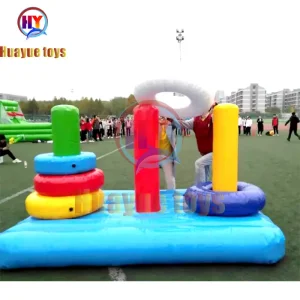
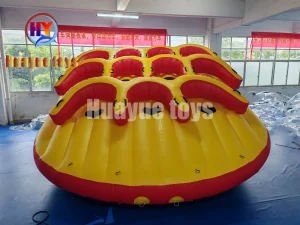

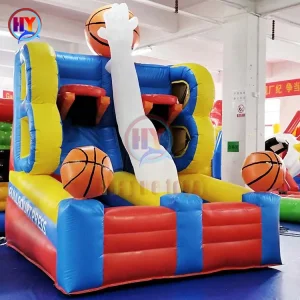
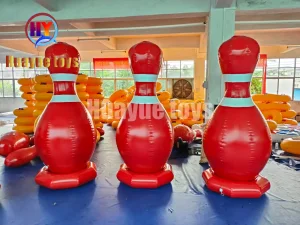

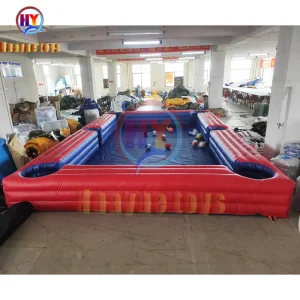
The commercial definition of a house tent has evolved drastically from rudimentary canvas camping shelters into heavy-duty, multi-chambered air-beam habited structures, geodesic glamping bubbles, and high-velocity inflatable pavilions.
Traditional rigid pole structures suffer from freight inefficiency and complex mechanical assembly. Today's inflatable house tent ecosystem utilizes high-pressure drop-stitch PVC beams capable of resisting 60 knot wind loads without internal framework obstruction.
Over 80% of world-class commercial inflatable architectures originate from specialized industrial zones like Baiyun District, Guangzhou. Tier-1 manufacturers leverage unified raw-material supply lines, eliminating intermediaries and lowering total cost of ownership for overseas procurement officers.
Hospitality entrepreneurs face strict environmental zoning restrictions. Inflatable bubble suites and high-cube residential pods classify as semi-permanent equipment rather than fixed real estate, slashing municipal permitting timeframes by upwards of 70% across North America and the EU.
How tier-1 wholesale manufacturers solve critical thermal bridging, condensation, and structural stability challenges across diverse climate regimes.
Mitigating thermal dissipation through twin-wall chambers that provide natural interstitial insulation, slashing HVAC operating consumption in sub-zero alpine and arid desert glamping setups.
Replacing conventional solvent glues with European-standard hot-air and radio-frequency weldments, eliminating molecular aging and delamination during long-term outdoor exposure.
Integration of breathable interior membrane systems beneath high-strength vinyl skins to actively eradicate interior condensation build-up in high-humidity littoral environments.
Turnkey enterprise solutions require more than just fabric fabrication. Guangzhou Huayue pairs structural FEM (Finite Element Method) computational analysis with certified localized air blowers and CE/UL continuous pressure maintenance modules.
Engineered for extreme modularity, commercial house tents satisfy multifaceted functional parameters across diverse geographic and legal jurisdictions.
Providing 360-degree stargazing visibility with optical-grade transparent PVC domes. Engineered with multi-channel anchoring points to withstand shoreline gusting without anchor failure.
Disaster response, field research, and remote medical isolation stations require deployment within 15 minutes via high-output electric inflators. Fully sealed pneumatic arches eliminate fuel-reliant continuous blowers.
Mobile pop-up lounges, exhibition pods, and roadshow installations that pack into compact shipping crates, dramatically lowering cross-border logistics overhead and drayage fees.
Our engineering workflow transitions from computational CAD finite modeling directly to computerized auto-cutting and controlled thermosealing.
Utilizing high-tensile 1000D polyester yarn coated bilaterally with commercial-grade polyvinyl chloride (0.55mm to 0.9mm thickness). Treated for UV50+ resistance, anti-fungal hygiene, and EN 13501-1 Class B fire retardancy.
Prior to cutting, each unit undergoes multi-angle structural stress validation via CAD rendering. Clients receive exact schematics detailing floorplan layout, door/window egress, utility ports, and tie-down vectors.
Our R&D roadmap focuses on self-regulating sensor systems embedded into pneumatic chambers. Automated micro-compressors continuously read barometric fluctuations, automatically balancing chamber PSI in response to changing temperatures.
Crucial manufacturing, regulatory, and logistics intelligence for enterprise volume purchasers.
Fully verified commercial inventory manufactured to identical rigorous EN14960 engineering parameters.