Commercial-grade hermetic inflatable water slides, modular climbing platforms, and interactive aquatic games engineered for waterfront resorts, public pools, and recreational facilities.
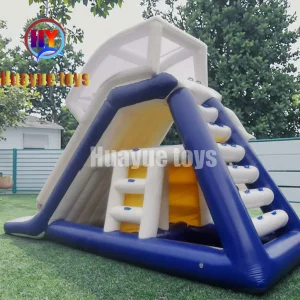
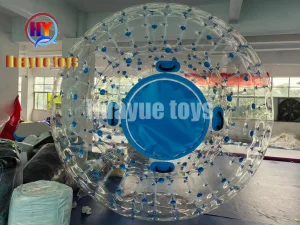
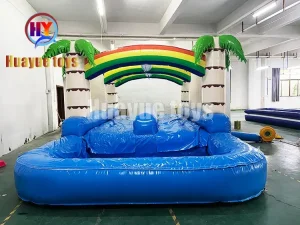
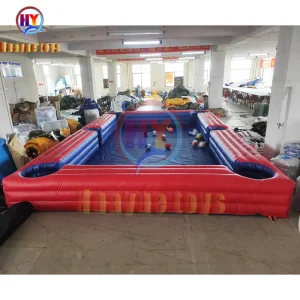
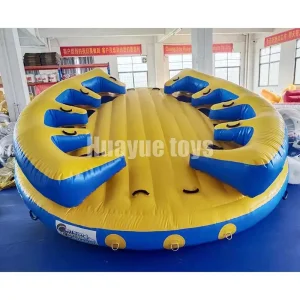
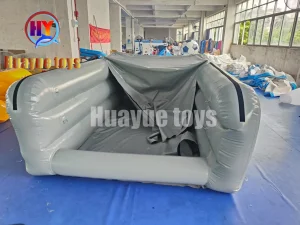
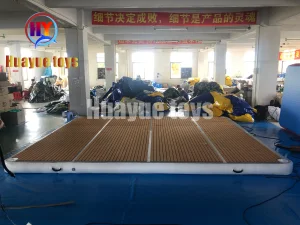
The transition from rigid permanent installations to modular commercial-grade inflatable aquatic infrastructure is revolutionizing operational economics across international hospitality and municipal sectors.
Over the past decade, the global aquatic entertainment and hospitality landscape has experienced a monumental structural shift. Commercial pool operators, beach resorts, municipal leisure centers, and luxury yacht charters are increasingly divesting from permanent, capital-intensive concrete or rigid fiberglass flumes in favor of high-performance, hermetically sealed inflatable pool slippery slides and modular floating water parks. Driven by post-pandemic surges in experiential outdoor recreation and destination tourism, the global commercial inflatable water leisure market is expanding at an estimated compound annual growth rate (CAGR) of 7.4%, representing a multi-billion dollar industrial procurement category.
Historically, pool slide infrastructure was dominated by fixed fiberglass reinforced plastic (FRP) slides anchored directly into concrete pool decks. While structurally sound, FRP slides require exorbitant upfront capital expenditures (CapEx), invasive civil engineering, extensive environmental permitting, and permanent structural footprints. Furthermore, thermal cycling, chlorinated water exposure, and intense solar UV radiation inevitably degrade gel coatings, causing dangerous blistering, hairline cracking, and fiber exposure that cost thousands of dollars in specialized resurfacing every few seasons.
In contrast, modern commercial-grade inflatable pool slippery slides manufactured from heavy-duty 0.9 mm polyvinyl chloride (PVC) tarpaulin with dense 1000-denier polyester scrimp cores present a superior balance of hydrodynamic performance, structural resilience, and financial agility. By leveraging high-frequency (HF) thermal vulcanization welding rather than traditional needle stitching, tier-one manufacturers fabricate hermetic, airtight inflatable slides that do not require continuous electrical blowers, dramatically cutting operational power expenses (OpEx) while ensuring 100% waterproof integrity with zero water absorption or internal microbial mildewing.
A standard 8-meter dual-lane rigid fiberglass pool slide typically demands $85,000 to $160,000 in procurement, sub-deck civil foundation pouring, and site assembly, requiring a 6-to-12-month delivery window. A custom-engineered commercial PVC pool slippery slide delivering identical rider velocity and safety margins can be designed, fabricated, pressurized, and deployed for under 25% of that capital outlay within 30 to 45 business days, amortizing installation costs across an operational lifespan exceeding 5 to 7 operational seasons.
Geographically, procurement demands reflect distinct regional dynamics:
Why Guangzhou has established global supremacy in commercial inflatable pool slide engineering through precision automation, material vertical integration, and rigorous multi-stage pressure validation.
Our workshop eliminates manual cutting deviations by utilizing multi-axis automated CNC oscillating knife tables. Raw PVC sheets are digitally nested through CAD/CAM software to optimize tensile warp orientation and reduce material scrap to below 4%, ensuring millimeter-level seam alignment.
Unlike standard budget inflatables that rely on stitching or contact adhesives, our commercial pool slides utilize imported European high-frequency (HF) thermal vulcanization welding lines. Molecular cross-linking creates bonded seams that are up to 130% stronger than the parent fabric itself.
Every commercial pool slippery slide incorporates partitioned hermetic internal baffles and independent inflation chambers. Even in the improbable event of an isolated puncture, the primary ascent tower and slide bed maintain structural geometry, preventing sudden collapse.
Before packing, 100% of manufactured units are subjected to a continuous 48-hour manometric pressure retention protocol in temperature-monitored testing halls. Any unit demonstrating a barometric pressure decay exceeding 1.2% is immediately flagged for thermal recalibration.
Situated in Baiyun District, Guangzhou, our facility benefits from instant access to the world’s most advanced chemical polymer supply chain. We procure customized Plato PVC with specialized plasticizers, antimicrobial biocides, and flame retardants at direct upstream factory pricing.
All anchor tie-downs, D-rings, and connection eyelets feature electropolished AISI 316 marine-grade stainless steel with breaking strengths rated up to 1,500 kg (14.7 kN). Reinforced double-layer PVC gusset backing distributes dynamic wave and wind sheer evenly.
Comprehensive metallurgical and polymer comparison demonstrating the technical superiority of heavy-duty hermetic PVC inflatable systems over rigid composites and residential inflatables.
| Performance Parameter | Commercial 0.9mm Marine PVC (Huayue) | Standard Residential Inflatables (0.35-0.55mm) | Rigid Fiberglass (FRP) Composites |
|---|---|---|---|
| Base Fabric & Weave Density | 1000D x 1000D / 28 x 26 high-tenacity polyester | 500D - 840D nylon / low-density polyester | Woven roving glass fibers in polyester resin |
| Seam Construction Method | High-Frequency (HF) Molecular Thermal Welding | Mechanical single/double thread sewing | Resin lamination and bolted joint flanges |
| Tensile Strength (Warp / Weft) | ≥ 3300 N/50mm / ≥ 3100 N/50mm Heavy Duty | 1200 N/50mm - 1800 N/50mm | High flexural, vulnerable to brittle point impact |
| Tear Resistance (ISO 4674-1) | ≥ 380 N (High-burst protection) | ≤ 150 N (Prone to catastrophic rip) | Not applicable (Cracks/fractures under torque) |
| Chlorine & Saline Resistance | Zero degradation (Specially formulated plasticizers) | Rapid discoloration, plasticizer leaching in 90 days | Susceptible to osmosis blistering and gel-coat yellowing |
| UV Photodegradation Threshold | UV Index 8+ resistance rated for > 3,500 hours | < 600 hours before fabric brittleness occurs | Requires regular topcoat compounding and waxing |
| Storage & Transport Volume | Rolls into compact transport skid (1.2m x 0.8m) | Lightweight storage sack | Requires flatbed trailers, wide-load road permits |
| Seasonal Redeployment Speed | 15 to 45 minutes with high-volume electric pump | 10 minutes (Constant blower required) | Permanent; crane extraction required for removal |
Discover how diverse commercial enterprises deploy high-quality pool slippery slides and modular floating inflatable systems to optimize guest throughput, retention, and secondary spend.
Resort hospitality demands premium guest safety and visual aesthetics. Free-standing commercial pool slides erected directly adjacent to zero-entry lagoons or beach jetties create signature photo-ready focal points. Operators can rotate slide models each season to maintain marketing freshness without executing capital-draining concrete alterations.
Faced with budget limitations, city councils and community aquatic complexes utilize pool-deck inflatable slippery slides as dynamic temporary installations during high-season school holidays. Deflating and storing units off-season preserves pool lanes for standard lap swimming and athletic competitions during the school year.
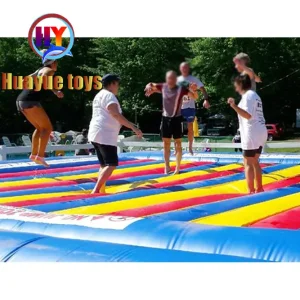
Commercial open-water obstacle courses connect triangular climbing water slides, jumping mats, and balance walkways into continuous floating circuits. Operators charge hourly ticket admissions ($15 to $35/hour per participant), achieving full equipment payback within 6 to 10 weeks of peak summer operational turnover.
Custom deck-mounted yacht slides engineered to the vessel's exact gunwale height (from 3.5m to over 14m) allow charter brokers to command premium charter rates. Our hermetic drop-stitch climbing ladders and smooth-glide sliding lanes roll into bespoke storage bags compatible with standard tender garages.
Party rental corporations require rugged equipment that survives relentless weekly assembly, transport, dragging across pool decks, and varied rider weights. With triple-reinforced wear patches, non-slip textured ascent stairs, and modular water spray nozzles, our slides deliver exceptional multi-year rental margins.
Beyond traditional water slides, hybrid installations combine inflatable pool launch ramps with commercial air foam landing pits and non-slip platforms for wakeboard training, freestyle diving drills, and safe acrobatic gymnastics over both water and gym-floor environments.
How certified commercial manufacturers ensure full compliance with EN, ISO, and ASTM protocols to protect public safety and insulate operators from legal liability.
Commercial aquatic operations operate under intense scrutiny from municipal health departments, occupational safety inspectors, and liability insurance underwriters. Deploying substandard or residential-grade inflatables in commercial pools is an extreme liability risk that can lead to catastrophic structural delamination, dangerous entrapment accidents, and total policy voidance.
At Guangzhou Huayue Inflatables, every pool slippery slide is designed and audited in compliance with three premier international regulatory frameworks:
European standard regulating floating leisure articles for open-water and commercial pool usage. Specifies mandatory residual buoyancy, dynamic stability under off-center loading, safe deceleration run-out zones, and zero-entrapment openings for heads, necks, fingers, and cords.
The universal standard governing inflatable play equipment. Dictates critical safety aspects including maximum slide platform heights, protective boundary wall heights (≥ 1.2 m above top deck), flame retardancy ratings (M2/B1 certified), and anchor load resistances.
The North American standard governing the design, manufacture, and operational documentation of commercial inflatable amusement equipment. Mandates strict tethering calculations, wind threshold ratings (maximum safe wind speed ≤ 38 km/h / 24 mph), and dual-stage air valve closures.
Critical verification parameters overseas buyers must validate prior to issuing commercial purchase orders to Chinese inflatable equipment manufacturers.
Procuring commercial aquatic inflatables from overseas suppliers involves substantial capital outlays and complex international logistics. To protect your investment and avoid non-compliant shipments, commercial purchasers should execute strict due diligence across the following five technical checkpoints:
Demand genuine SGS or TUV testing certificates verifying raw material specs: verify it is true 0.9mm 1000D Plato PVC with Lead < 90 ppm, cadmium-free, phthalate-free (< 0.1%), and certified to NFPA 701 or DIN 4102 B1 fire resistance.
Ensure you select the proper inflation architecture. Sealed pool slippery slides require no continuous blower noise or power cords near water. Constant-air slides require continuous commercial blowers with waterproof GFCI circuit breakers and minimum 15m safety setbacks.
Verify that bundled electric high-output inflators/blowers carry authentic safety markings: UL/ETL for 110V-120V 60Hz (USA/Canada), CE/TUV for 220V-240V 50Hz (Europe/Middle East/Australia), and SAA plugs for Australian/NZ maritime installations.
Request the factory's structural wind calculation report. Standard commercial installations mandate that each anchor point withstand a minimum pull-out tensile load of 1,600 N to 3,000 N, backed by double-welded triangular tension plates.
Comprehensive technical answers directly from our factory engineering team addressing durability, maintenance, compliance, and custom design protocols.
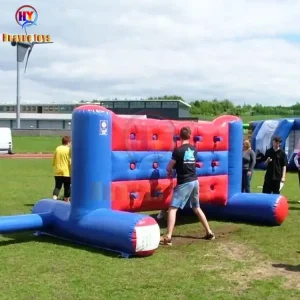
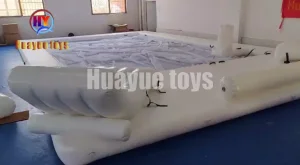
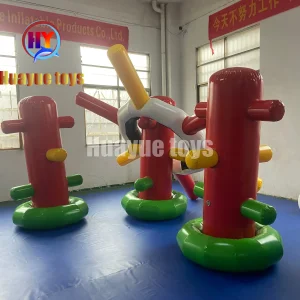
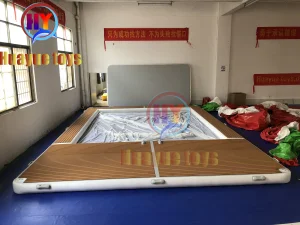
Explore our complete commercial line including enclosed sea pools, interactive target sports, motor-towable speedsters, and modular floating balance platforms.
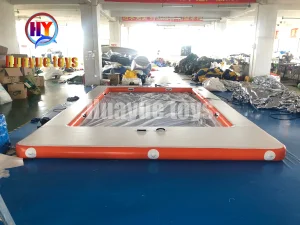
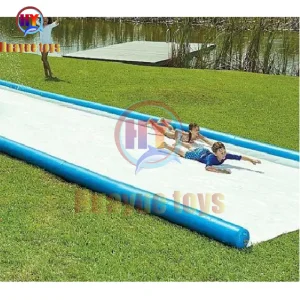
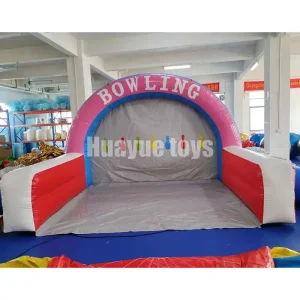
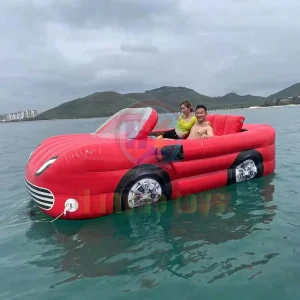
Whether you are designing a high-capacity commercial resort water park, sourcing superyacht leisure toys, or upgrading your regional inflatable rental fleet, our Guangzhou design team provides exact 3D renderings and comprehensive quotation packages within 24 hours.