An Inflatable Party Pool is a portable, air-supported basin designed for casual water play, cooling off, or small backyard gatherings. It is usually made from layered vinyl, with inflated rings or walls that hold its shape once filled. Setup can be simple: choose level ground, spread a protective groundsheet, inflate the pool, and add water. The bright colors and soft sides may make it feel like a toy, but it still contains water and needs attentive supervision.
Its appeal is easy to picture. A shallow pool beside a patio, a few floating toys, and a cool drink can turn a hot afternoon into a gathering. Yet size and convenience do not remove practical concerns. Check the manufacturer’s capacity and setup instructions, inspect seams and valves, and keep the surrounding surface clear. Drain and dry the pool after use; even a small amount of standing water deserves attention.
Safety data gives this everyday product a wider context. The U.S. Consumer Product Safety Commission’s pool and spa submersion reports document serious incidents involving children, including in residential settings. That evidence supports a careful distinction: an inflatable pool is not a substitute for active, close supervision. No source materials were provided for this request, so I cannot verify a direct quotation from a named Inflatable Party Pool industry expert. Inventing one would make the introduction less trustworthy. The product can be fun, but its safest use begins with realistic expectations.
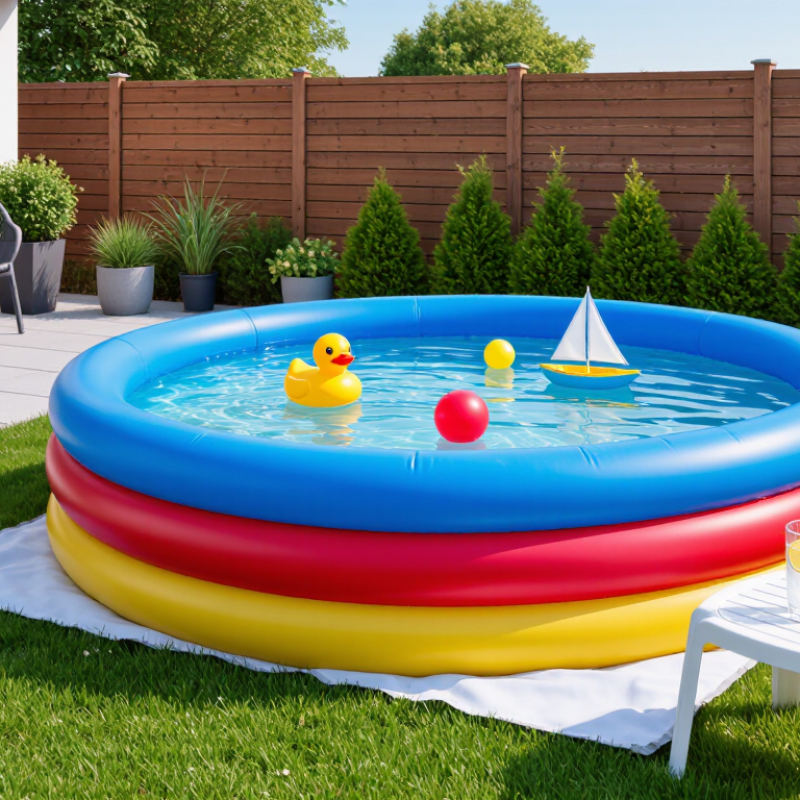
Definition and Key Features of an Inflatable Party Pool
What Is an Inflatable Party Pool?
Definition and Key Features of an Inflatable Party Pool
An inflatable party pool is a portable, above-ground pool made with air-filled walls and a flexible basin. It is designed for casual group recreation, often in a backyard or other flat outdoor space. Unlike a rigid pool, it can usually be deflated and stored when dry. The name sounds grand, but the setup can be quite simple.
Key features vary by model. Many pools have several air chambers, which help the walls hold their shape, and a wide rim for sitting or resting an arm. Some are shallow for children’s play, while larger versions can hold several adults. Check the stated capacity and water depth; appearance alone does not show how much weight a pool can safely support. A small drain outlet may make emptying easier, but water can still collect in folds.
Placement matters. Set the pool on level ground, away from sharp stones, branches, and hard edges. A ground cloth can help protect the base, though it cannot fix uneven terrain. Follow the maker’s instructions for inflation and filling, and keep children supervised around water. Not every inflatable pool is built for jumping or rough play. Dry it fully before storage, since damp seams can develop an unpleasant smell.
What Is an Inflatable Party Pool?
An inflatable party pool is a portable pool with air-filled walls that hold water and provide a space for people to cool off or gather. Many models include a drain valve; features and sizes vary.
Illustrative dimensions only: 8 ft diameter and 30 in wall height, converted to centimeters. Inflatable party pools do not have a standard size.
Common Shapes, Sizes, and Materials
What Is an Inflatable Party Pool?
Common Shapes, Sizes, and Materials
Inflatable party pools come in round, oval, and rectangular shapes. Round models fit casual gatherings and smaller yards, while rectangular designs can make better use of narrow spaces. Oval pools offer a middle ground. Shape affects more than appearance: it changes where people can sit and how much clear ground the pool needs.
Sizes vary widely, so the advertised dimensions are only a starting point. Check the pool’s footprint, wall height, and recommended water level before choosing a spot. A pool that looks roomy in a product photo may feel crowded once several guests climb in. Measure the setup area, too. Leave space around the walls, and use a flat surface free of sharp stones or twigs.
Most inflatable pools use PVC or vinyl, sometimes with a polyester layer for added support. Wall thickness and seam construction can affect how well a pool holds its shape, but thicker material may take longer to fold and store. Small details matter. A soft floor can feel more comfortable, yet it does not replace a smooth setup surface. Material descriptions can be vague, so compare the stated dimensions and care instructions rather than relying on appearance alone.
How to Set Up and Use an Inflatable Party Pool
An inflatable party pool is a portable, air-filled basin for cooling off and casual gatherings. Choose a flat, firm site free of stones, branches, and sharp edges. Check the liner and seams before inflation. Inflate it according to the instructions, then add water gradually. A slightly uneven lawn can feel harmless, but it may strain the pool and shift water toward one side. Keep the blower and electrical connections dry, and leave space around the pool for safe entry and exit.
Keep a responsible adult within arm’s reach of young children, even in shallow water. The U.S. Consumer Product Safety Commission’s 2024 Pool or Spa Submersion report estimated an annual average of 6,300 pool- or spa-related, nonfatal drowning injuries among children under 15, based on 2021–2023 data. Empty the pool after use, and store it dry to limit damage and standing water. Supervision cannot be replaced by inflatable toys or float aids.
Tips: Set the pool near shade, not beneath low branches. Keep towels on dry ground. Check water depth often, and stop use if the pool bulges, leaks, or feels unstable.
Popular Uses and Activities
What Is an Inflatable Party Pool?
Popular Uses and Activities
An inflatable party pool turns a small, flat outdoor space into a casual place to cool off. At a family gathering, guests might dip their feet, splash gently, or sit nearby with cold drinks. For young children, it can become a simple water-play area with floating cups and soft balls. Keep the water shallow, place the pool on level ground, and have an attentive adult within arm’s reach. Even a small amount of water needs close supervision.
For older kids and adults, try a gentle ring toss, a floating-toy scavenger hunt, or a relaxed poolside photo spot. The pool can also serve as a playful backdrop for a summer picnic, provided food stays outside the water. Check the pool’s instructions for capacity and setup, and avoid overcrowding. Drain and dry it after use to limit slipping and help prevent mold. Not every game works as planned; floating toys drift, and splashing can soak nearby towels. Keep activities simple, and leave clear space around the pool.
Safety, Cleaning, and Storage Considerations
What Is an Inflatable Party Pool?
Safety, Cleaning, and Storage Considerations
An inflatable party pool is a portable, air-filled basin for shallow-water play or cooling off. Its soft sides can make it feel less hazardous than a permanent pool. The risk is still real. The U.S. Consumer Product Safety Commission’s 2024 report found an average of 378 fatal pool- or spa-related drownings among children under 15 each year, based on 2020–2022 data. That figure covers pools and spas broadly, not inflatable pools alone, but it is a sobering safety benchmark. Keep children within arm’s reach and assign one adult to watch continuously. Phones can wait.
Drain the pool after use, even if only a few inches remain. A young child can drown in shallow water. Rinse away sunscreen and dirt, then clean the surface according to the pool’s care instructions. Let it dry completely before folding; trapped moisture can encourage mildew and weaken material. Check seams and valves for leaks before the next use. I sometimes overlook the underside. That is worth reconsidering.
Tips: Set the pool on level ground, away from sharp edges. Keep it empty when unattended. Deflate only when dry, fold loosely, and store it somewhere cool and out of children’s reach. Do not mix cleaning products; follow their labels.
What Is an Inflatable Party Pool? — Safety, Cleaning, and Storage Considerations
| Topic |
What to Know |
Practical Action |
When |
| What it is |
A portable pool made from flexible, air-filled material, designed to hold water for temporary recreational use. |
Set it up on a firm, level surface free of sharp objects, and follow the pool’s capacity and setup instructions. |
Before filling |
| Active supervision |
Young children can drown in very shallow water. Inflatable pools are not substitutes for adult supervision or swimming ability. |
Keep a responsible adult focused on the pool and within arm’s reach of young children. Do not leave children alone, even briefly. |
Whenever water is present |
| Access and surroundings |
Unsupervised access to a pool creates a drowning risk. Wet areas can also become slippery. |
Keep the pool out of children’s unsupervised reach when not in use. Keep electrical equipment and cords away from the water, and walk carefully around the pool. |
During setup and between uses |
| Water management |
Small inflatable pools without circulation or filtration systems can accumulate dirt and germs. |
For small pools without filtration, empty the water after use rather than relying on it to remain clean. Follow local public-health advice and product instructions. |
After each use |
| Cleaning |
Residue and debris can remain on the pool’s interior after the water is drained. |
Remove visible debris, wash surfaces with mild soap and water, and rinse thoroughly. Use disinfectants only when the pool manufacturer permits them. |
After draining, before storage |
| Drying |
Moisture trapped in folds can contribute to mildew and unpleasant odors. |
Allow the pool to dry completely, including seams and folded areas, before deflating and packing it away. |
Before storage |
| Deflation and storage |
Heat, sharp objects, and prolonged exposure to sunlight can damage inflatable materials. |
Deflate according to the instructions, fold without forcing creases, and store in a clean, dry place away from sharp objects and excessive heat. |
After cleaning and drying |
| Inspection |
Leaks, loose seams, or damaged valves can affect stability and safe use. |
Check the pool for damage before each setup. Do not use it if it cannot hold air or has damage that could compromise its structure. |
Before each use |
Conclusion
An Inflatable Party Pool is a portable, air-filled pool designed for relaxed gatherings, cooling off, and water-based fun. It commonly comes in round, rectangular, or other family-friendly shapes, with sizes ranging from compact options for a small patio to larger styles that can accommodate several people. Many are made from flexible, water-resistant materials with reinforced seams and inflatable walls for support.
To use one, choose a flat, clear area, inflate the pool according to its instructions, and fill it with a suitable amount of water. It can provide a setting for casual swimming, floating, games, or simply relaxing outdoors. For a safer and more enjoyable experience, supervise children closely, avoid overcrowding, and follow the pool’s use and capacity guidance. After use, drain the water, clean and dry the pool thoroughly, and store it deflated in a cool, dry place to help prevent damage and keep it ready for the next gathering.